
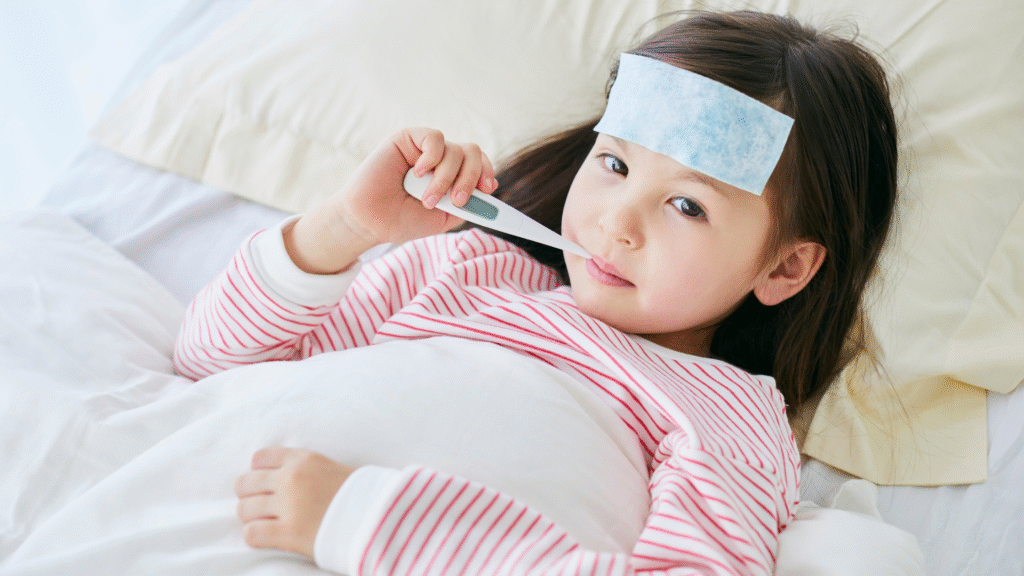

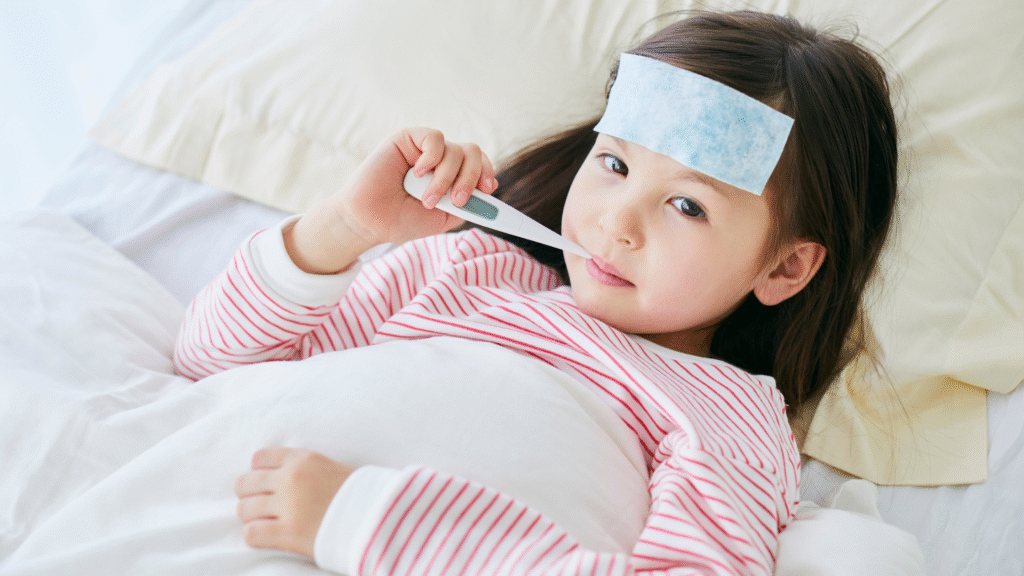
If you’re shopping for baby thermometers, you already know how stressful those hot, grumpy nights can be. With four kids, I’ve done the 2 am panic check more times than I can count. The right baby thermometers won’t magically fix a bug, but they do give you fast, reliable info so you can act confidently and, hopefully, get everyone back to sleep.
The good news is there are simple ways to choose well and use them properly. Below are my favourite picks, how they differ, and the small habits that make readings more accurate.
Why a trustworthy thermometer reading matters
A fever is the body’s defence, not the enemy, but an accurate number helps you decide what to do next. For newborns, a correct reading is especially important. I always think of thermometers as decision tools: they guide whether you offer fluids, strip a layer, call the GP, or just keep an eye on things. That’s why decent baby thermometers are worth it even if you only reach for them a few times a year.
Types of baby thermometers explained
- Ear (tympanic): Quick and convenient once you get the angle right. Best for toddlers and older babies who don’t mind gentle ear checks.
- No-touch/forehead: Great for a sleeping child and for quick screening, though you need to follow the distance instructions carefully.
- Underarm/axillary digital: Slower but inexpensive and simple. Good for a calm baby who will sit still.
- Rectal (newborns): Still considered very accurate in the early months, but use a baby-safe model, follow instructions, and keep it for rectal use only.
DadOfFour picks: best baby thermometers
These are reliable, easy to use, and parent-friendly. I’ve added quick pros and cons so you can skim and choose. Links are placeholders you can swap for your favourites.
Braun ThermoScan (Ear) – see option
Fast and consistent when positioned correctly. A good all-rounder for families.
✅ Pros
- Quick readings and backlit display
- Disposable covers keep things hygienic
- Widely available, easy to replace
❌ Cons - Needs the tip placed at the right angle
- Probe covers are an ongoing cost
Braun No Touch + Forehead – see option
Handy for sleeping babies and quick checks without fuss.
✅ Pros
- No contact needed, silent mode
- Colour fever guidance for tired eyes at night
❌ Cons - Distance and placement matter for accuracy
- Can read lower outdoors or in draughty rooms

Tommee Tippee 2-in-1 Digital (Underarm/Oral) – see option
Simple and affordable for families who prefer a straightforward digital stick.
✅ Pros
- Budget friendly and compact
- Easy to clean, simple to use
❌ Cons - Slower underarm readings
- Wriggly toddlers may not stay still long enough
iProven Forehead & Ear (Dual mode) – see option
Switches between ear and forehead, which is useful as kids grow.
✅ Pros
- Versatile and speedy
- Memory recall helps track trends
❌ Cons - Learning curve switching modes
- Batteries, not rechargeable
How to use baby thermometers correctly
Tiny technique tweaks make a big difference. Warm the room, wipe sweat from the forehead, and check the manual’s method rather than guessing. For ear models, gently straighten the ear canal by pulling the top of the ear back before inserting. For forehead devices, keep to the recommended distance and avoid pointing at sweaty skin or hair. With underarm checks, ensure the probe sits snugly in the armpit and keep the arm down until the beep.
Common mistakes and quick fixes
- Comparing unlike-for-like: Ear, forehead, and underarm readings can vary. Track trends with the same device rather than swapping around.
- Measuring right after a bath or hot drink: Wait 15 minutes for a fair reading.
- Using adult settings: Some devices have age-based fever guidance. Set them up for babies or toddlers.
- Dirty probes or covers: Replace probe covers and clean tips as directed to keep baby thermometers accurate.
When to get help
Trust your instincts. If your baby is under 3 months and reads 38°C or higher, or your child seems very unwell, seek medical advice. For everyone else, look at the whole picture: temperature, behaviour, hydration, and breathing. If you are unsure, NHS 111 is there to help. The goal is a calm plan, not panic.
Final thoughts
The best baby thermometers are the ones you’ll actually use at 2 am without fumbling. Pick a style that suits your family, learn its quirks, and stick with it so you can spot trends quickly. With a reliable tool and a simple routine, baby thermometers become part of your quiet confidence on the rough nights.
Thermometer sorted. Next up, sleep. Here’s how I make toddler bedtime easier with small changes that actually stick.